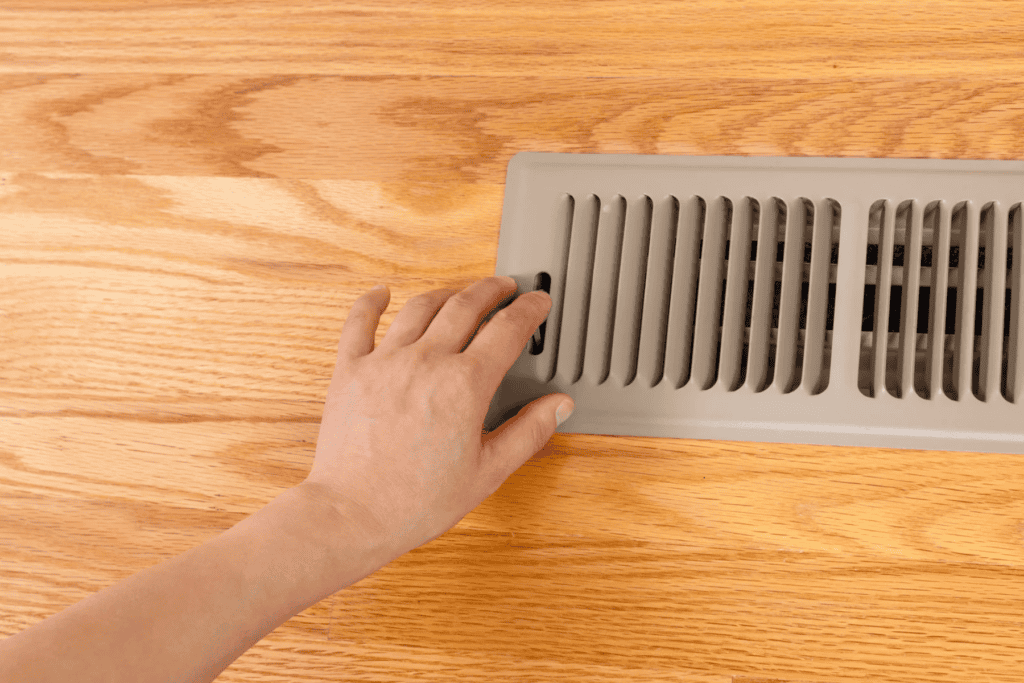
Waking up to cold air rushing from your supply registers can make anyone worry that their heating system has completely broken down. A furnace blowing cold air is a common concern during chilly Pennsylvania winters, but it doesn’t always mean catastrophic equipment failure. Often, the cause is a simple setting error or a normal operational delay that resolves itself within a couple of minutes.
When local homeowners need reliable HVAC services in Oxford, PA, they often ask our team whether a sudden drop in vent temperature requires emergency action. While minor thermostat mistakes or airflow restrictions are easy to identify, other mechanical issues require diagnostic testing from trained technicians. Professional furnace services make sure complex electrical or fuel delivery problems get proper care without risking household safety.
This guide outlines normal occurrences that mimic system malfunctions, identifies mechanical issues that require professional service, and highlights troubleshooting steps you can safely do yourself. By understanding how your heating system works, you can protect your equipment and know exactly when it makes sense to schedule professional repairs.
Normal System Behaviors That Are Not Equipment Failures
Before assuming your heating system is broken, it helps to recognize that furnaces don’t deliver instant heat the moment a cycle starts. Modern heating equipment follows a sequence of built-in delays designed to prevent unconditioned air from distributing and to protect internal components. Learning about these standard operating cycles will help you determine if your heating unit is functioning as intended or experiencing a mechanical breakdown.
Thermostat Fan Set to On Instead of Auto
One of the most common reasons a homeowner feels cold air blowing from the registers is the thermostat fan setting. Every thermostat features a switch or menu option for the blower fan with two primary modes: “On” and “Auto.” If the fan is set to “On,” the blower motor runs continuously through the supply ducts day and night, even when the furnace burners have shut down. As a result, the system circulates room-temperature air through your home between active heating cycles, creating a draft that feels distinctly cool against your skin.
Switching the fan setting to “Auto” lets the blower run only while the burners are producing heat. When the thermostat detects that your living space has reached your desired temperature, both the burners and the blower motor cycle off together. Upgrading to a modern smart thermostat can help homeowners easily monitor fan status and prevent accidental continuous fan operation.
Delayed Heating at the Start of a Heating Cycle
Another harmless condition occurs during the first few moments after your furnace turns on. When your thermostat calls for heat, the draft inducer motor starts, the ignition sequence activates, and the burners light inside the combustion chamber. The blower motor doesn’t start instantly; instead, it waits briefly so the heat exchanger can reach an adequate operating temperature.
If the blower starts slightly before the exchanger achieves full heat, you might temporarily experience a furnace blowing lukewarm air or brief cool drafts near supply vents. This draft should disappear quickly as warm air builds throughout the duct system. If you notice your heater blowing cold air continuously for an extended period, that indicates the burners may not have engaged properly and requires deeper investigation.
Common Heating Problems That Require Professional Attention
When cool air persists through your registers, several mechanical or electrical faults may interfere with normal heating operation. Because multiple internal issues produce identical symptoms at the register, isolating the exact failure requires professional testing instruments and systematic diagnostic procedures. Understanding why these components fail helps you know when simple homeowner checks aren’t enough to restore reliable warmth.
Clogged Air Filters and Overheating Limit Switches
A heavily restricted air filter remains a primary culprit when a furnace runs, but no heat reaches your living spaces. When dust and airborne debris build up on the filter media, airflow across the heat exchanger drops. Installing the filter in the correct furnace filter direction also matters for proper airflow. Without adequate cool air moving across the metal surfaces to absorb heat, temperatures inside the cabinet rise rapidly until a safety device known as the high-limit switch trips.
This critical safety mechanism shuts down the fuel burners to prevent the heat exchanger from cracking, while leaving the blower fan running to cool down the overheated components. Learning the proper steps for installing your furnace filter in the right direction helps maintain balanced airflow and prevents frequent high-limit switch shutdowns.
Dirty Flame Sensors and Ignition Failures
Modern gas systems rely on sensitive flame rectification sensors to confirm that a safe flame exists when the gas valve opens. Over time, microscopic carbon oxidation builds up along the metal rod, insulating the sensor from the electrical current the flame generates. When a dirty flame sensor fails to detect the burner flame within a few seconds of ignition, the primary control board automatically cuts off the fuel supply to prevent unburned gas accumulation.
Homeowners often observe their system igniting for several seconds before shutting off, repeating this short cycle until the unit enters a complete lockout mode. A related failure involves the electronic igniter or pilot assembly, which can leave a furnace not igniting even when gas delivery is active.
Gas Supply Interruptions and Fuel Valve Issues
A gas furnace blowing cold air may also indicate that fuel cannot reach the combustion chamber. If an external shutoff valve along the gas line is partially closed, or if line pressure falls below proper levels, the furnace burners will not fire. A faulty safety valve inside the cabinet or an interruption in local gas utility service can similarly prevent your furnace from heating your home. Inspecting fuel lines and gas pressure regulators involves hazardous materials, so schedule a professional gas line inspection whenever you suspect supply problems.
Clogged Condensate Drains and Leaky Ductwork
High-efficiency condensing furnaces extract extra heat from combustion gases, producing water vapor that must drain through dedicated piping. If dust, algae, or sediment clogs this condensate drain line, a float switch trips to prevent water damage, instantly shutting off burner operation while the blower continues to circulate unheated air. In other cases, the heating unit operates normally, but severe leaks or disconnected joints in attic or crawl space ductwork let conditioned air escape into unheated areas. When ducts pull in frigid crawlspace air, homeowners wonder, “Why is my furnace blowing cold air despite normal cycling sounds in the basement?”
Safe Troubleshooting Steps and Important Safety Precautions
Homeowners can safely resolve several minor heating interruptions without scheduling an immediate service visit. Taking a methodical approach to these basic inspections can save time and quickly restore warm airflow to your living areas. However, know your limits and prioritize family safety when dealing with complex household mechanical systems.
Basic Checks You Can Safely Perform at Home
Before you call for emergency repair, do a quick walkthrough of your home to check a few external controls. These basic steps don’t require specialized tools, electrical testing, or internal mechanical adjustments. Review the following checklist to rule out the simplest causes of unheated airflow:
-
- Confirm that your thermostat is set to heat mode and adjust the temperature setting higher than the current room temperature.
- Verify that the thermostat fan setting is set to Auto rather than On so the blower circulates heated air only.
- Replace weak or dead batteries in your thermostat display to eliminate signaling errors between the thermostat and furnace controls.
- Inspect your furnace air filter and replace the media if you notice heavy dust buildup, pet hair, or surface discoloration.
- Check the power switch mounted on or near your heating equipment, as well as the dedicated heating circuit breaker in your main electrical panel.
If these safe checks don’t resolve the issue, resist the temptation to dismantle equipment panels or test internal wiring. Because a single symptom like a furnace blowing cold air can stem from various mechanical or electronic failures, an experienced heating specialist should run diagnostic tests instead of relying on guesswork. If your furnace is older and breaking down often, our heating services team can help you decide whether repair or replacement makes more sense.
Critical Safety Warnings for Homeowners
Gas furnaces combine high-voltage electrical circuits, combustible fuels, and exhaust gases, making amateur repairs extremely dangerous. Never open the furnace cabinet to clean internal flame sensors, bypass safety switches, or adjust mechanical gas valves. Scrubbing a flame sensor with abrasive household materials can damage the sensitive protective coating or misalign burner components, introducing severe fire hazards.
The most important safety protocol involves gas leak detection. If you detect a distinctive rotten egg odor near your furnace or inside your home, leave immediately without operating light switches, phones, or appliances. Once you reach a safe distance, call your local gas utility provider or emergency services from outside your home.
Why Professional Heating Diagnostics Make the Difference
A sudden blast of cool air from your vents can be frustrating, especially during freezing weather. While simple thermostat adjustments or a fresh air filter can often solve the problem, internal mechanical faults require systematic troubleshooting. Limit switches, flame sensors, igniters, and blower assemblies all work through delicate control circuitry, so a breakdown in one component often triggers protective shutdowns across the entire system.
Trying to pinpoint the failure yourself can lead to misdiagnosis, unnecessary part replacements, and longer heating disruptions. Certified technicians use specialized pressure gauges, digital multimeters, and combustion analyzers to quickly and safely identify the exact source of failure. Homeowners seeking trusted heating & cooling services in Oxford, PA, rely on professional diagnostics to protect their equipment and ensure dependable warmth all winter long.
Schedule Furnace Repair with Oxford Plumbing, Heat & Air
If your heating system still circulates unheated air after you complete basic thermostat and filter checks, let the skilled technicians at Oxford Plumbing, Heat & Air restore your comfort. Serving the local region since 1951, our licensed professionals bring decades of hands-on expertise to every service call. As a trusted HVAC company in Oxford, PA, we arrive fully equipped to diagnose complex furnace issues and complete reliable repairs quickly.
We believe in complete transparency, so we provide upfront pricing before we begin work on your heating equipment. With 24/7 live answering, you can reach our team any time a heating problem comes up. Contact Oxford Plumbing, Heat & Air today to schedule your heating maintenance and repair appointment and get your furnace running smoothly again.