
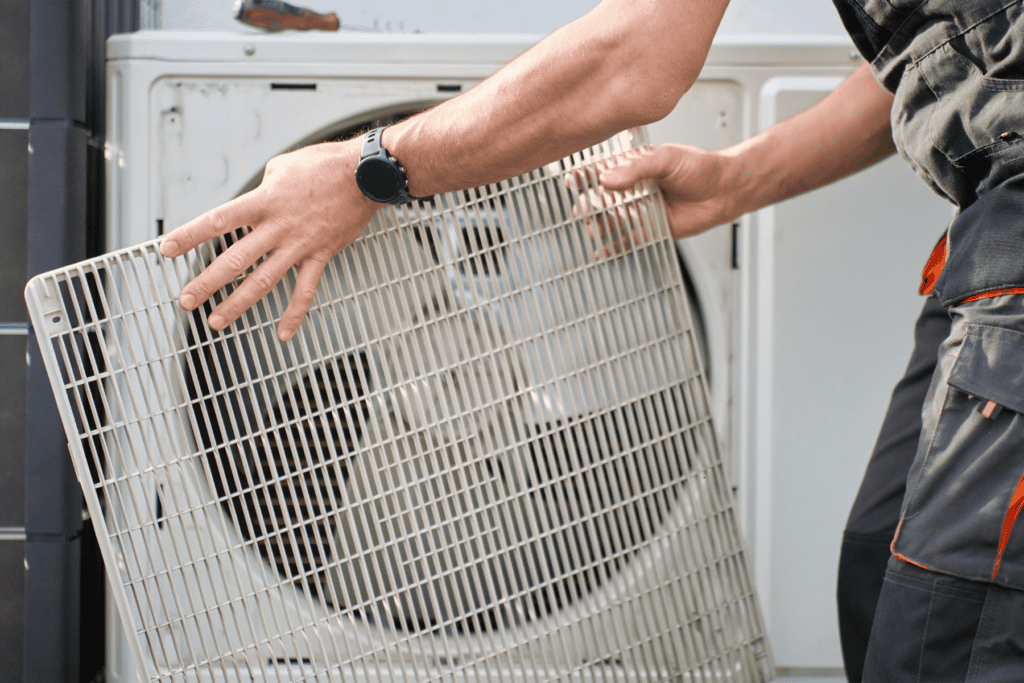
When winter temperatures drop across southern Chester County, discovering that a heat pump isn’t heating your living space is stressful. Homeowners who schedule heating & cooling services in Oxford, PA, often wonder whether their equipment has completely broken down. A modern heat pump system moves warmth rather than creating it through fuel combustion. Because of this design, its daily operation feels very different from a traditional furnace.
Understanding how your equipment performs in cold weather helps you distinguish normal cycles from mechanical failures. This guide explains how cold weather affects heat output. It also covers common mechanical failures, safe homeowner checks, and when to call a professional technician.
Normal Cold-Weather Operation for Heat Pumps
Before assuming your heating system is broken, review how electric heat pumps work in freezing weather. These systems absorb ambient heat from outdoor air and transfer it inside. In many cases, unusual sounds or cooler airflow are simply normal operating sounds.
Warm Air Delivery Compared to a Furnace
Homeowners accustomed to a natural gas or oil furnace often expect scorching air from supply registers. A heat pump moves heat from outdoor air instead of burning fuel, so vent air is warm rather than hot. Because this air is closer to body temperature, it can feel like the heat pump is running but not heating. This lower temperature difference often makes homeowners suspect a heat pump is blowing cold air even while the room warms up. If you worry that your heat pump isn’t heating enough, check your thermostat. If your home is still reaching the temperature you set, the system is likely working as designed.
Extended Heating Cycles and Low Temperature Thresholds
In mild weather, a heat pump reaches the set temperature quickly and cycles off. As outdoor temperatures drop, there is less heat in the outside air to move indoors, so the system runs longer to keep up. Long run times on very cold days are normal. Many homes have backup heat for the coldest days, and some use a dual-fuel setup that switches to a furnace when it gets too cold for the heat pump to keep up on its own.
Understanding Heat Pump Defrost Mode
During cold, damp weather, moisture can freeze on the outdoor coil. To clear it, the unit runs a short heat pump defrost mode cycle. The reversing valve temporarily switches the unit to cooling mode to melt ice on the coil. The outdoor fan shuts down, and supplemental heat strips engage to temper indoor air. You may notice steam rising from the cabinet, a whooshing sound, and slightly cooler air from the register. The system resumes normal heating as soon as the coil sensor warms up.
Common Causes for a Heat Pump Not Heating
When your home stays cold despite continuous operation, an underlying equipment fault is usually present. Pinpointing the root issue requires checking both indoor airflow and outdoor components. Homeowners requesting reliable HVAC services in Oxford, PA, face issues ranging from air restrictions to refrigerant loss.
Thermostat Settings and Airflow Restrictions
Heating troubles often stem from simple control settings. If someone switches the thermostat fan setting from AUTO to ON, the blower runs continuously. It then blows room-temperature air between heating cycles, which can feel cool. A smart thermostat can help reduce setting and scheduling mistakes. Restricted airflow also hurts output. A dirty air filter, or one installed backward, blocks return airflow, starving the indoor coil and reducing total heat delivery to your living rooms.
Exterior Blockages and Severe Coil Freezing
A thin frost layer is normal, but a heat pump frozen under solid ice indicates a mechanical failure. Heavy snowdrifts, fallen leaves, or roof runoff can choke the outdoor unit. If the defrost control board or defrost thermostat sensor fails, ice accumulates unchecked. If your heat pump is iced up to the point where ice encases the fan blades, the equipment cannot absorb heat from outdoor air.
Refrigerant Leaks and Reversing Valve Failures
Heat pumps rely on closed copper circuits containing pressurized refrigerant to move thermal energy. A refrigerant leak lowers system pressure, which reduces how much heat the system can deliver. Another common failure point is the four-way reversing valve. The valve uses an electrical solenoid, which is an electromagnetic coil that shifts an internal valve slide between heating and cooling circuits. If the solenoid burns out or the internal slide sticks, the valve remains locked in cooling mode. The system then blows cold air through your ductwork indefinitely.
Electrical Component Malfunctions
Sub-freezing temperatures put immense strain on electrical parts. A failing run capacitor, which is a cylindrical component that stores electrical energy to keep motors running, can prevent the compressor from starting. Pitted contacts on the contactor, which is an electromechanical switch that sends high-voltage power to the compressor, can break the electrical circuit. When these parts fail, high electrical resistance can trip the breaker panel, preventing the heat pump from turning on. Troubleshooting a heat pump that won’t heat due to electrical faults requires specialized diagnostic meters.
Auxiliary Heat, Emergency Heat, and Homeowner System Checks
Managing supplemental heating stages helps maintain home comfort during severe cold snaps. Most installations feature backup electric resistance elements to assist the heat pump when outdoor temperatures drop below 30°F.
Understanding Auxiliary Heat and Emergency Heat Settings
Homeowners often confuse backup heating stages, but they serve different roles. Heat pump auxiliary heat turns on automatically when the heat pump needs help reaching the set temperature. It also runs during defrost cycles to temper supply air. You will see AUX illuminate on your thermostat display, which is normal winter operation. In contrast, heat pump emergency heat is a manual setting that disables the outdoor heat pump compressor entirely. This mode relies only on electric resistance heat strips, which use much more electricity than the heat pump. Use emergency heat only as a temporary measure if your outdoor unit breaks down.
Safe Inspection Steps for Homeowners
Homeowners can do simple visual checks before scheduling a service visit to confirm basic controls are working properly.
- Thermostat settings: Confirm the thermostat is set to HEAT and the target temperature is at least 3°F above room temperature.
- Filter inspection: Check the air filter and replace it immediately if dust blocks airflow.
- Register walkthrough: Do a quick indoor walkthrough to ensure furniture, rugs, or drapes don’t cover supply or return registers.
- Outdoor perimeter check: Gently clear leaves and snow from around the outdoor unit. Do not chip at ice or pour hot water on the unit.
- Electrical panel verification: Inspect your home electrical panel for a tripped heating circuit, resetting any tripped breaker only once.
Safety is essential during these inspections. Never strike frozen coils with sharp tools, and never pour boiling water over ice-covered coils. Rapid thermal expansion can fracture copper refrigerant lines. Never open the outdoor electrical compartment or touch high-voltage wiring. If a circuit breaker trips a second time, keep it off and schedule professional heating maintenance and repair.
Knowing When to Schedule Professional Diagnostics
Understanding normal operating parameters helps you spot when a heat pump not heating requires expert service. Gentle supply air, longer heating cycles, and periodic defrost steam are standard winter behaviors. However, persistent cold airflow, thick ice slabs, strange burning odors, or repeatedly tripped electrical breakers point to problems that need a technician.
Because multiple mechanical problems create similar warning signs, trying to repair refrigeration or electrical issues without training is risky. Professional technicians use digital manifold gauges, temperature probes, and multimeters to identify the exact point of failure. Calling a qualified technician helps protect your equipment, and if an older system needs frequent repairs, professional heating installation may be the more reliable option.
Schedule Heat Pump Repair With Oxford Plumbing, Heat & Air
If your heat pump fails to heat your home this winter, turn to Oxford Plumbing, Heat & Air. As a reliable HVAC company in Oxford, PA, our licensed technicians inspect refrigerant charges, diagnose control boards, and replace faulty components. We believe in open communication on every service call, offering upfront pricing before work begins so you stay fully informed.
Prompt service is critical when outdoor temperatures drop below freezing. Oxford Plumbing, Heat & Air provides 24/7 live answering, so you can reach our team any time. Whether your outdoor unit is iced over or your system is blowing cold air, our experienced team will restore your comfort. Contact us today to schedule your heat pump repair in our regional service area.