
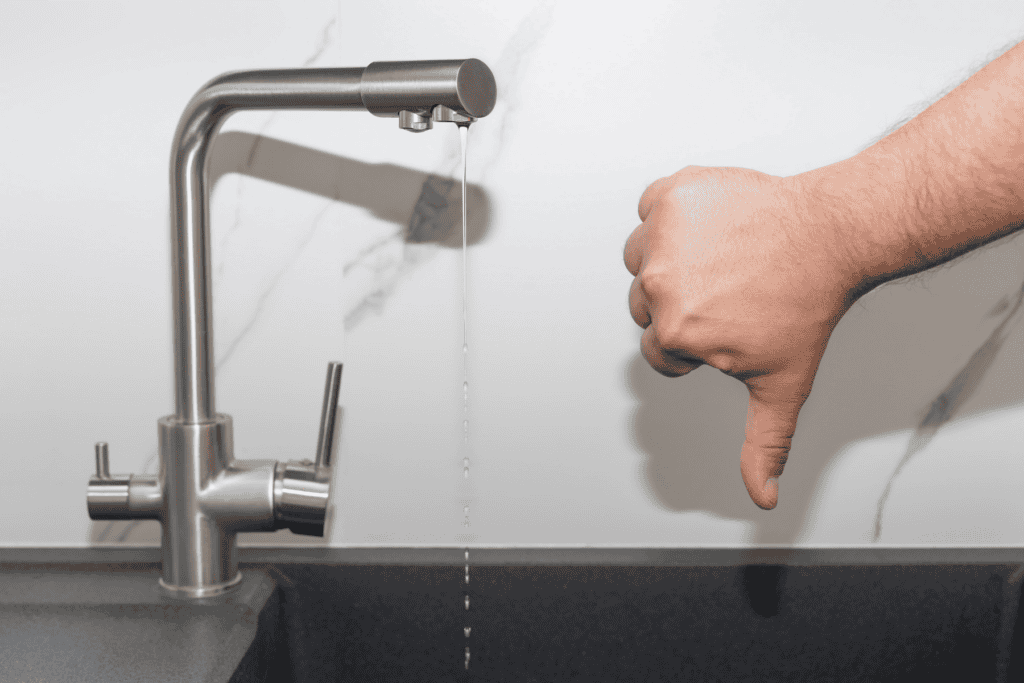
A sudden drop in water flow at your faucets can turn daily chores into frustrating tasks. Standard residential plumbing systems require between 40 and 80 pounds per square inch (PSI) of water pressure to operate properly. When you experience low water pressure in house fixtures, shower streams lose power and appliances take longer to fill. The first step to fixing the problem is identifying whether the issue affects a single fixture or your entire home.
Many homeowners worry that low water pressure signals a major plumbing failure. However, many common causes involve simple mineral buildup or partially closed valves. Understanding basic plumbing standards helps you troubleshoot safely before seeking plumbing services in Oxford, PA.
Why Is Low Water Pressure in House Lines Sudden?
When water pressure drops overnight, the timing offers useful clues about the cause. Sudden low water pressure in house plumbing often points to municipal water supply disruptions or restrictions at the main service valve. Municipal utility work, water main breaks, or hydrant flushing in your neighborhood can temporarily reduce incoming water pressure below normal operating levels.
If the pressure drop occurs only inside your home, evaluate which fixtures are affected. A localized drop at one sink usually points to a clogged aerator. A whole-house drop indicates an issue near your main shutoff valve or pressure regulator. Homeowners can use systematic checks to isolate the source before requesting plumbing & heating services in Oxford, PA.
Checking both hot and cold water supplies helps narrow down the cause. If cold water pressure remains strong while hot water slows down, the restriction sits near your water heater. If both temperature lines show equal pressure loss, the issue involves shared main piping or municipal supply lines.
What Causes Low Water Pressure in House Plumbing?
Several mechanical and structural factors reduce water flow across household fixtures. Standard fixture flow rates range between 1.5 and 2.2 gallons per minute (GPM) under standard city pressure. Evaluating specific plumbing components helps pinpoint why performance drops below these design thresholds.
Localized Blockages in Fixtures and Aerators
A single weak faucet usually points to a localized obstruction rather than a whole-home system failure. Hard water minerals, such as calcium and magnesium carbonate, gradually accumulate inside showerhead nozzles and aerator screens. A clogged mesh aerator on a kitchen sink faucet can restrict flow to less than 0.5 GPM. Cleaning or replacing these inexpensive screens usually restores full water pressure instantly.
Hot Water Line Restrictions and Tank Issues
When hot water pressure drops while cold water stays normal, sediment inside the water heater is often responsible. Mineral deposits settle at the bottom of the tank over time, blocking the hot water outlet pipe. In addition, shutoff valves on the heater supply line can accidentally shift partially closed. Thermal expansion valves or shutoff mechanisms can also accumulate mineral scale, restricting hot water distribution throughout the home.
Pressure Regulator Failures and Pipe Corrosion
To understand what causes low water pressure in house lines, check the main pressure-control components. A water pressure reducing valve (PRV) adjusts high incoming municipal pressure down to a safe 50 to 60 PSI range. When the internal diaphragm or spring inside a PRV wears out, water pressure can drop dramatically or fluctuate unpredictably across every faucet.
In older homes constructed before 1975, galvanized iron pipes frequently suffer from internal corrosion. Over decades, rust builds up inside galvanized pipes, narrowing the internal pipe diameter and creating heavy friction. Hidden plumbing leaks, main shutoff valves left partially open, or failing well pumps and pressure tanks can also reduce volume throughout your home.
How to Fix Low Water Pressure in House Systems
Troubleshooting water pressure problems begins with simple visual checks that require no pipe disassembly. Safe preliminary tests help isolate the cause and provide valuable information for professional repairs.
Homeowners can perform a basic visual inspection across several areas of the home:
- Test every fixture to confirm if pressure loss affects one sink, one bathroom, or all taps.
- Compare hot and cold water flow rates at the same faucet to check for water heater restrictions.
- Inspect visible supply lines under sinks, near water heaters, and around main shutoff valves for signs of active leaking pipes.
- Check with nearby neighbors to determine if municipal water main maintenance is affecting local supply lines.
- Measure water pressure using a standard 0 to 100 PSI pressure gauge attached to an outdoor hose spigot.
If these steps show a clogged faucet aerator, soaking the screen in vinegar is a safe fix. However, complex plumbing issues require technical training and specialized equipment. Homeowners should avoid adjusting a water pressure regulator without a pressure gauge, forcefully modifying main shutoff valves, or servicing well pump pressure switches. Improper adjustments can burst pipes, create excessive pressure spikes above 80 PSI, or damage home fixtures.
When pipe corrosion, main service line restrictions, or failing PRVs occur, certified technicians inspect and repipe to restore proper water distribution.
Maintaining Healthy Household Water Flow
Understanding what causes low water pressure helps you respond effectively when fixture flow decreases. Identifying whether the problem stems from a clogged aerator screen, a water heater, or the main supply line saves time and prevents unnecessary repairs. While cleaning faucet screens resolves minor issues, widespread pressure drops require professional diagnosis.
Aging pipes, failing pressure regulators, and well pump issues require experienced technicians to maintain household safety. Routine maintenance and professional HVAC services in Oxford, PA, and plumbing inspections keep home utilities running efficiently. Catching plumbing issues early protects your pipe network and ensures steady water delivery across all fixtures.
Contact Oxford Plumbing, Heat & Air
If low water pressure persists across multiple fixtures or stems from a suspected pipe leak or failing pressure regulator, contact Oxford Plumbing, Heat & Air. Serving Oxford and surrounding Southeastern Pennsylvania communities since 1951, our team provides reliable diagnostic inspections and lasting plumbing solutions. Contact us today to schedule your service.